Optimal Timing for Cedar Tree Removal
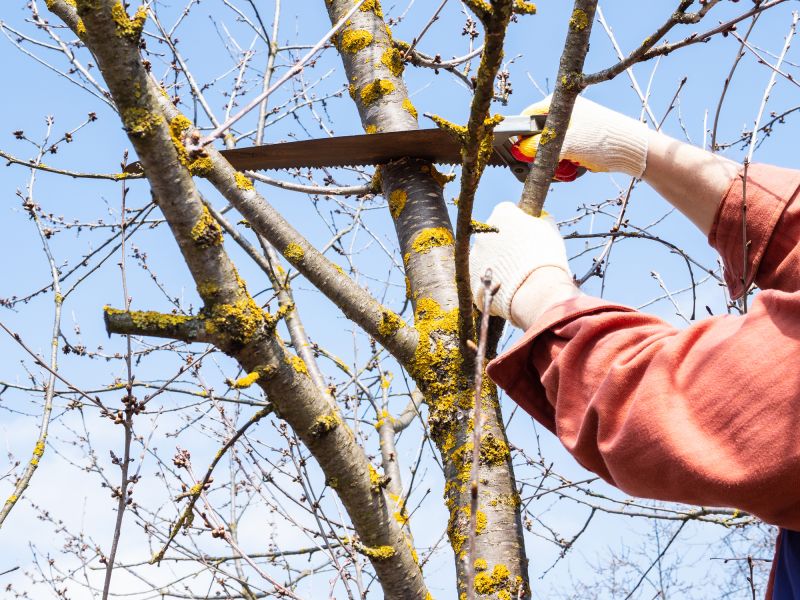
Spring is often ideal for cedar tree removals due to moderate weather and active tree growth, which can aid in safer and more efficient removal processes.
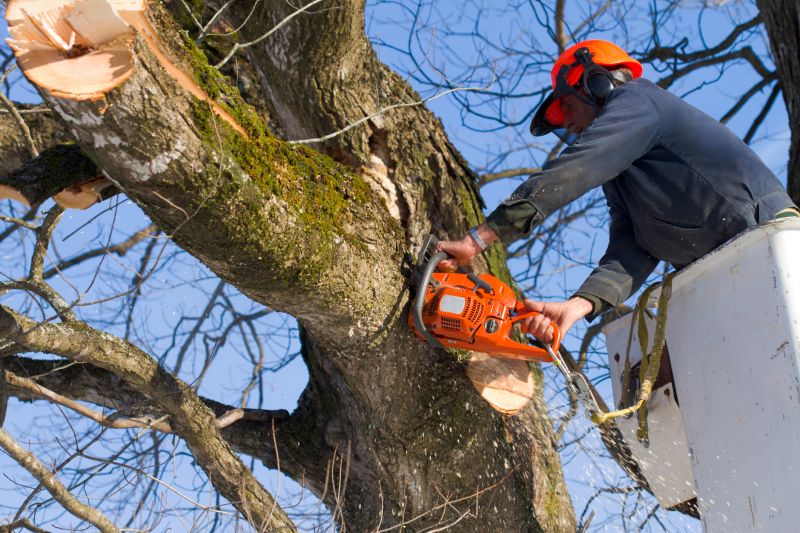
Summer removals are possible but can be challenging due to higher temperatures and increased foliage, which may require additional precautions.
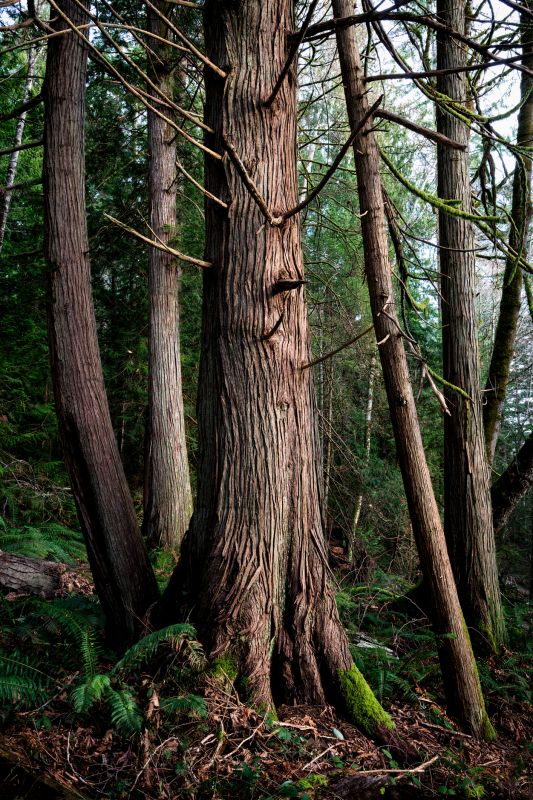
Fall and winter can be suitable times for cedar tree removal, especially when trees are dormant, reducing stress and potential for disease spread.
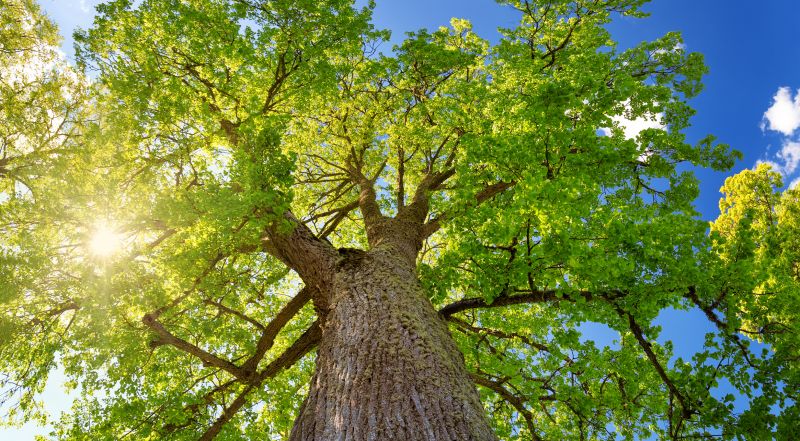
Ways to make Cedar Tree Removals work in tight or awkward layouts.
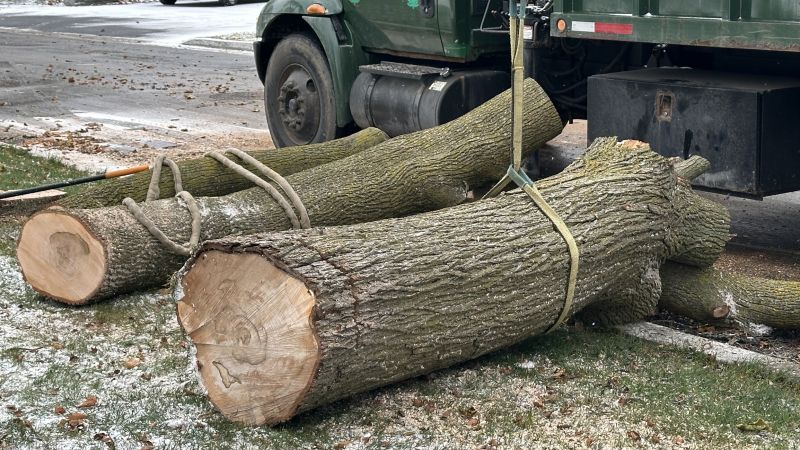
Popular materials for Cedar Tree Removals and why they hold up over time.
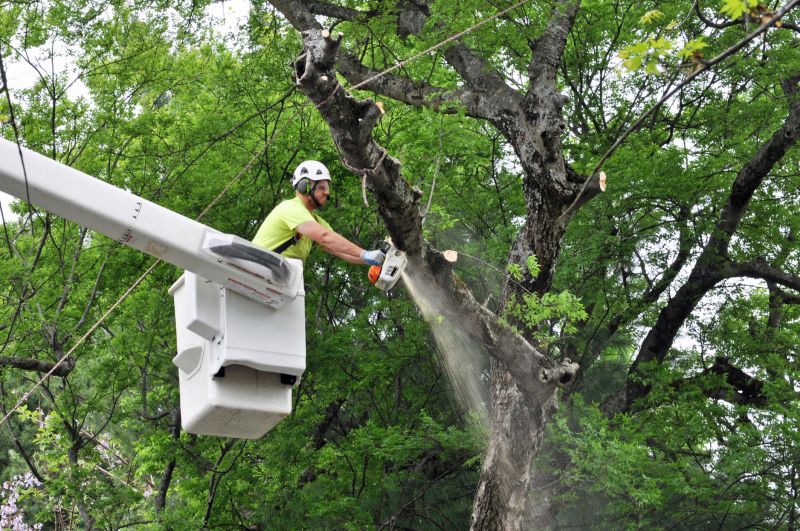
Simple add-ons that improve Cedar Tree Removals without blowing the budget.
Cedar tree removals are influenced by seasonal factors, tree health, and environmental conditions. Proper timing can minimize risks, improve safety, and ensure the health of surrounding landscape. Typically, late fall to early winter is preferred when trees are dormant, reducing sap flow and making removal safer. Spring and early summer may also be appropriate, especially before new growth begins, to prevent damage to nearby plants.
Statistically, cedar trees are most safely removed during dormancy periods, which reduces the likelihood of pest spread and disease transmission. Additionally, weather conditions such as low wind and dry weather can facilitate safer removal and cleanup. Consulting with arborists can help determine the optimal timing based on specific tree conditions and local climate patterns.
Timing affects safety, tree health, and landscape preservation during cedar tree removal.
Late fall to early winter offers the best conditions for safe cedar tree removal.
Removing cedar trees outside optimal seasons can increase safety hazards and damage to surrounding vegetation.
Weather conditions such as wind, rain, and temperature influence the safety and success of cedar tree removal.
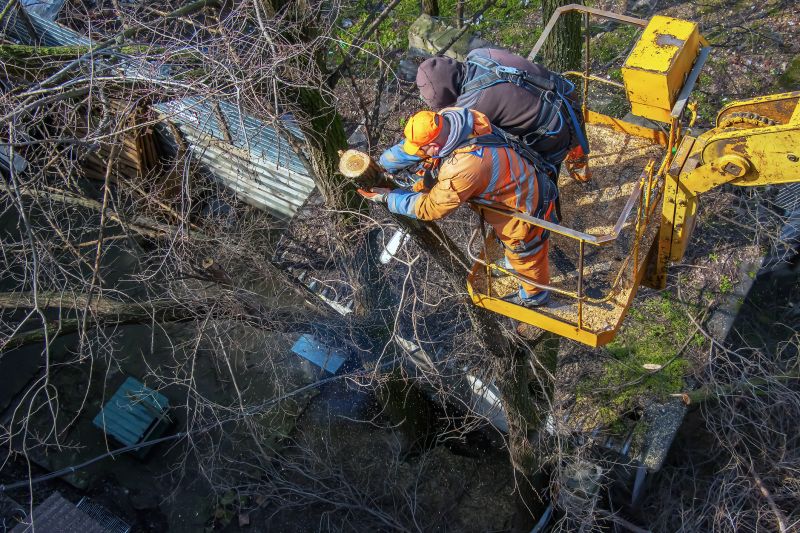
Specialized tools used for safe and efficient cedar tree removal.
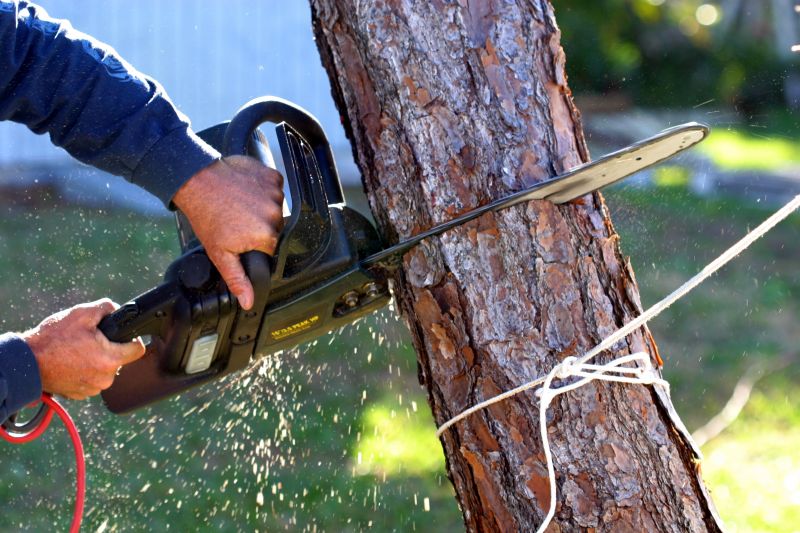
Winter removal reduces sap flow and disease risk.
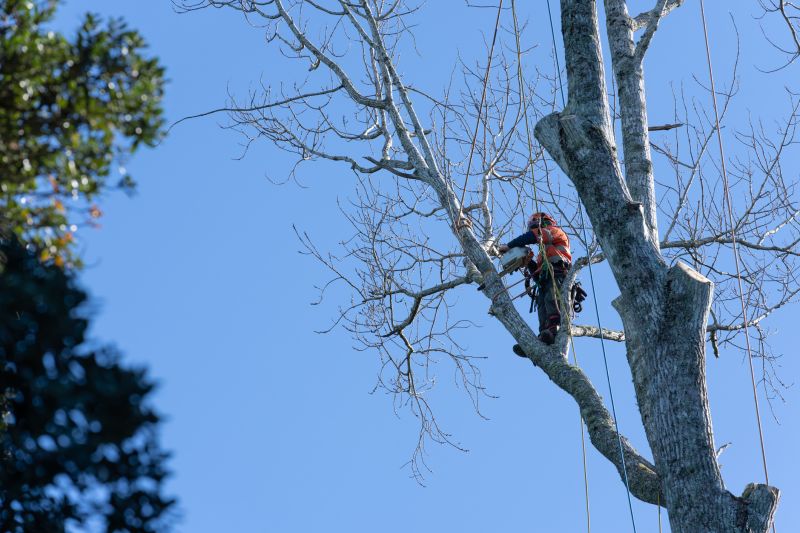
Spring pruning prepares trees for safe removal if necessary.
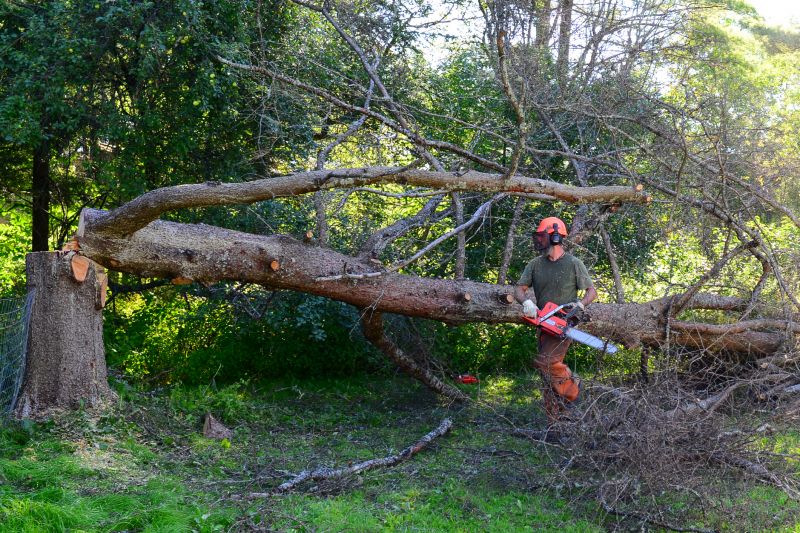
Protective equipment essential for safe cedar tree removal.
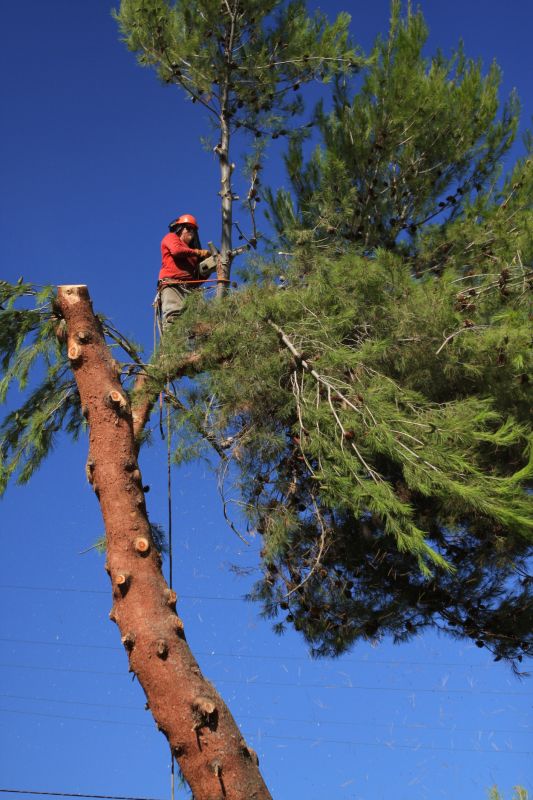
Techniques for safely removing large cedar specimens.
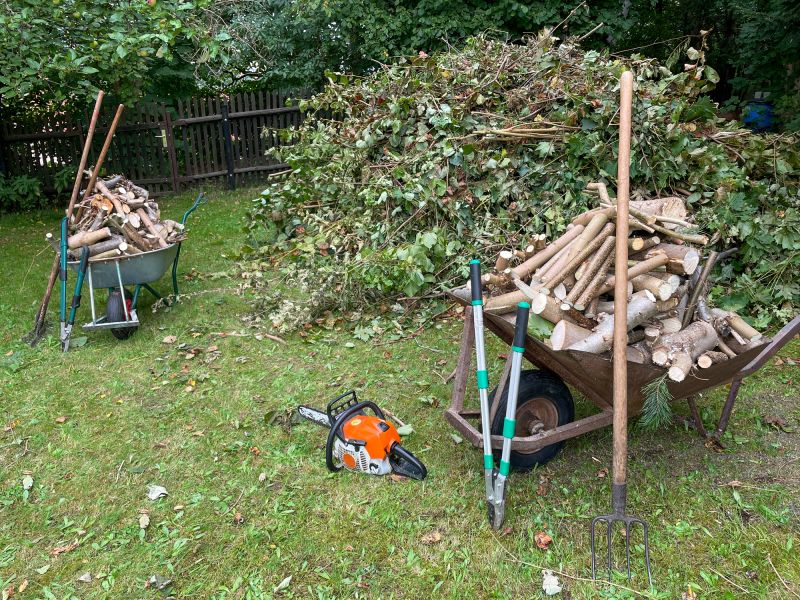
Proper disposal methods for cedar wood and branches.
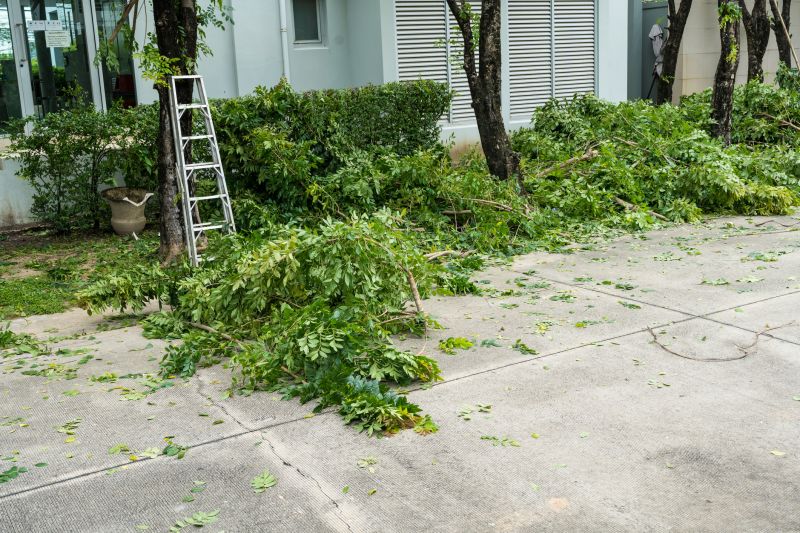
Ensuring healthy regrowth and landscape restoration after removal.
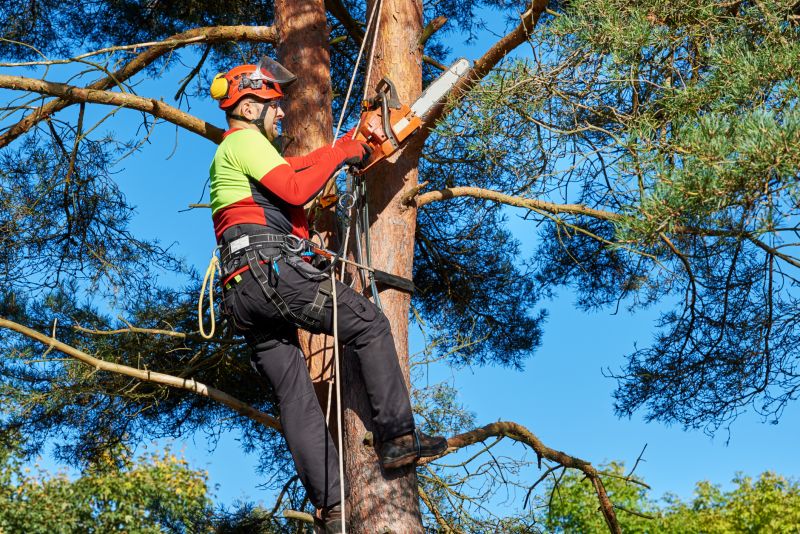
Expertise ensures safe and effective cedar tree removal.
| Season | Best Practices |
|---|---|
| Spring | Remove before new growth; moderate weather aids safety. |
| Summer | Use caution due to heat; ensure adequate hydration and safety measures. |
| Fall | Ideal for dormant period; minimizes stress and pest spread. |
| Winter | Optimal for large or hazardous trees; low sap flow reduces complications. |
| Late Fall/Early Winter | Most recommended; trees are dormant, weather is usually stable. |
Understanding the seasonal timing of cedar tree removals can significantly impact safety, health of the landscape, and efficiency. Proper planning and consultation with arborists are recommended to determine the best window for each specific situation. Timing considerations are crucial for minimizing risks and ensuring a successful removal process.
Interested parties should consider professional assessment to determine the optimal removal period based on local climate and tree condition. Proper timing can lead to smoother operations, less impact on surrounding vegetation, and better long-term landscape health.
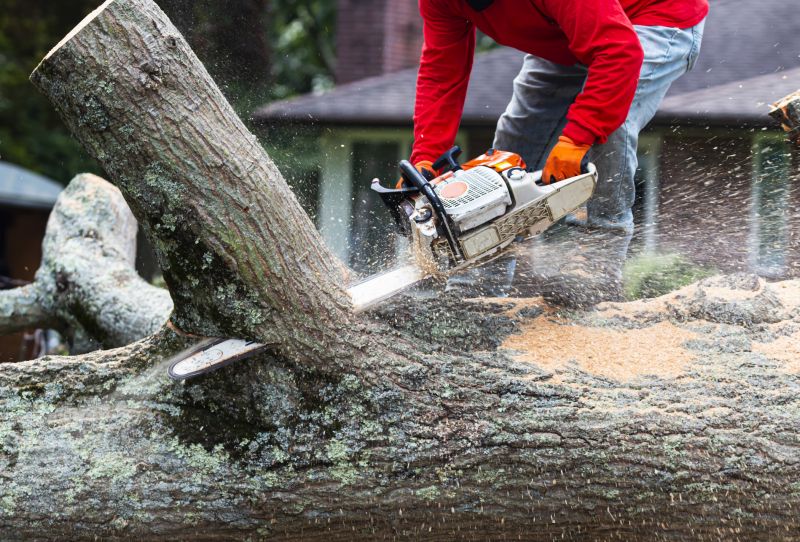
Step-by-step procedures for safe removal.
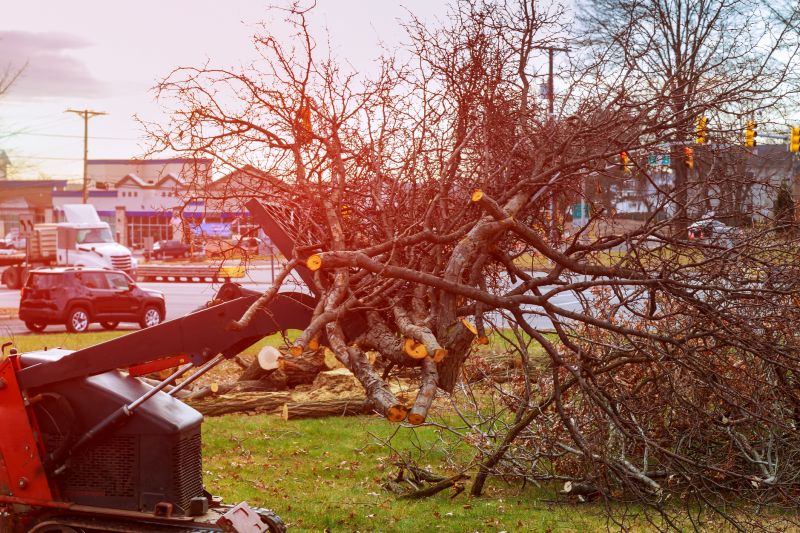
Tools and machinery used in the process.
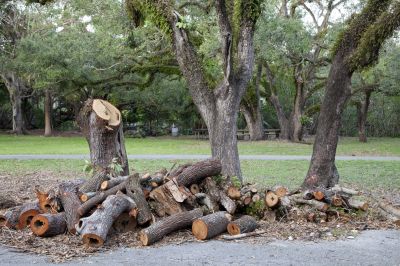
Ensuring landscape restoration after removal.
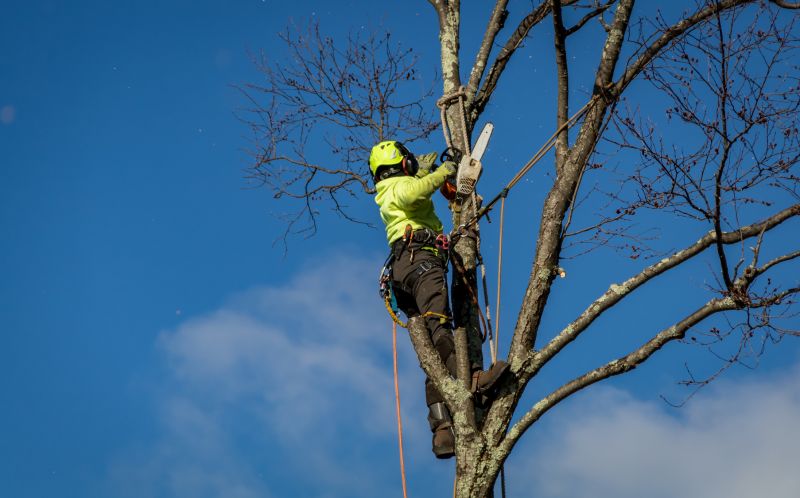
High-end options that actually feel worth it for Cedar Tree Removals.
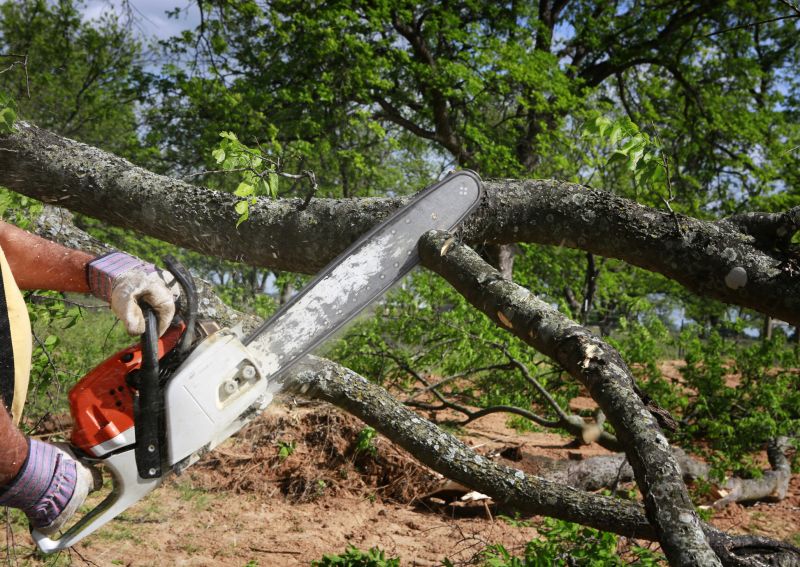
Finishes and colors that play nicely with Cedar Tree Removals.

Little measurements that prevent headaches on Cedar Tree Removals day.
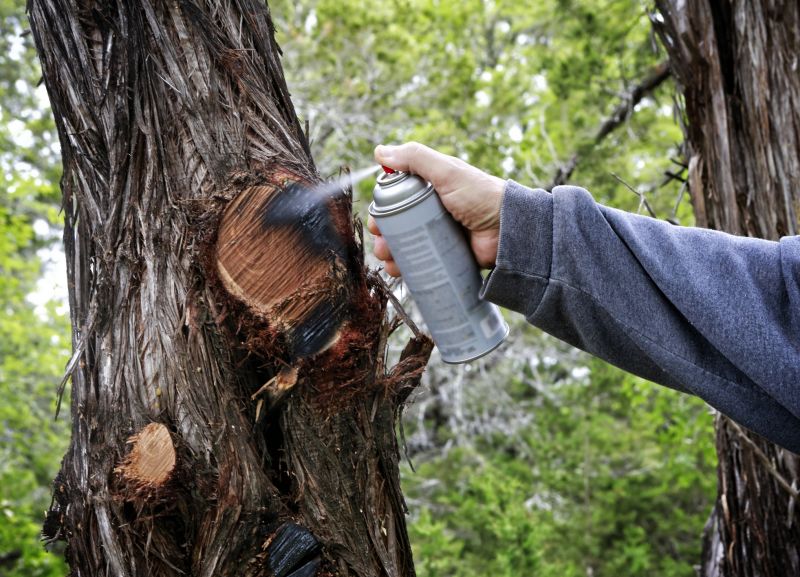
A 60-second routine that keeps Cedar Tree Removals looking new.
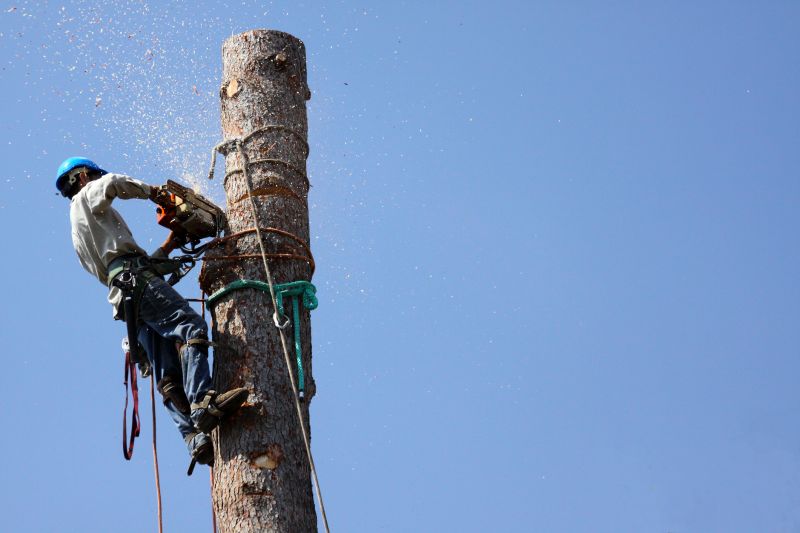
A frequent mistake in Cedar Tree Removals and how to dodge it.
For those considering cedar tree removal, understanding the ideal timing can facilitate a safer, more effective process. Consulting with experienced professionals can help identify the best window based on specific tree health and environmental conditions.
To explore cedar tree removal options and schedule an assessment, fill out the contact form for more information and assistance.